Showing posts with label dentist. Show all posts

Sunday, August 2, 2020

Incredible Does An Associate Dentist Need A Business License 2023

How Many Years Of Study To A Dentist Study Poster
How Many Years Of Study To A Dentist Study Poster from studyposter.blogspot.com

Are you an associate dentist wondering if you need a business license? This question can be confusing and overwhelming, but it's crucial to understand the legal requirements and obligations associated with your profession. In this article, we will explore the topic of whether an associate dentist needs a business license and provide you with all the information you need to make an informed decision.

As an associate dentist, there are several pain points that come with the profession. You may find yourself juggling numerous responsibilities, such as providing quality dental care, managing patient records, and handling administrative tasks. On top of that, navigating the legal requirements can add to the stress and uncertainty. Understanding whether you need a business license can help alleviate some of these concerns and ensure you are operating within the law.

In most cases, an associate dentist does not need a business license. The primary reason for this is that you are typically an employee of a dental practice and not the owner. The responsibility of obtaining the necessary licenses and permits falls on the practice owner, who is responsible for the overall operation and compliance of the business. However, it's important to note that the requirements may vary depending on the location and specific circumstances.

In summary, as an associate dentist, you do not need to obtain a business license. However, it's crucial to consult with the practice owner and understand the legal requirements applicable to your situation. By staying informed and compliant, you can focus on providing excellent dental care without worrying about the administrative aspects of running a business.

Does an Associate Dentist Need a Business License: Exploring the Topic

Now let's delve deeper into the topic of whether an associate dentist needs a business license. To provide a comprehensive understanding, let's explore the personal experience of Dr. Smith, a seasoned associate dentist, and the specific legal requirements associated with this profession.

Dr. Smith has been working as an associate dentist for over a decade. Throughout her career, she has worked in various dental practices and has never had to obtain a business license. She has always been an employee and not responsible for the overall operation of the practices she worked in.

When it comes to legal requirements, the need for a business license can vary depending on the location and the specific circumstances. In some cases, dentists who own their practices may be required to obtain a business license to operate legally. However, as an associate dentist, you are typically an employee and not responsible for these obligations.

It's essential to consult with the practice owner or seek legal advice to ensure you are aware of any specific requirements that may apply to your situation. By understanding the legal landscape, you can confidently focus on providing exceptional dental care without worrying about the administrative aspects of running a business.

Does an Associate Dentist Need a Business License: Exploring the History and Myth

The history and myth surrounding the need for a business license as an associate dentist can be intriguing. In the past, there may have been misconceptions or outdated information that led to confusion on this topic. However, with advancements in dental practice management and legal regulations, the requirements have become clearer.

Previously, there may have been a belief that all dentists, regardless of their employment status, needed a business license. However, as the dental industry has evolved, the understanding of legal obligations has become more refined. It is now widely recognized that associate dentists, as employees of a dental practice, do not need to obtain a business license. The responsibility for compliance falls on the practice owner.

It's important to stay informed and up to date with the current regulations to avoid any misunderstandings or misconceptions. By understanding the history and debunking any myths surrounding the need for a business license, you can navigate your dental career with confidence and peace of mind.

Does an Associate Dentist Need a Business License: Exploring Hidden Secrets

While there may not be any hidden secrets when it comes to whether an associate dentist needs a business license, there are essential considerations to keep in mind. One of the key factors is understanding the legal and regulatory landscape of the specific location where you practice.

Each jurisdiction may have its own requirements and regulations regarding business licenses for dental professionals. It's crucial to research and familiarize yourself with these rules to ensure compliance. Consulting with legal professionals or industry associations can provide valuable insights and guidance in navigating the requirements specific to your location.

Additionally, it's important to have open and transparent communication with the practice owner. By discussing any concerns or questions you may have regarding the need for a business license, you can ensure that all parties are on the same page and operating within the legal framework.

Does an Associate Dentist Need a Business License: Recommendations

Based on the information provided, it is recommended that associate dentists consult with the practice owner or seek legal advice to understand the specific legal requirements in their location. While in most cases, an associate dentist does not need a business license, there may be exceptions or unique circumstances that require further investigation.

By taking the time to familiarize yourself with the legal obligations and staying informed about any changes or updates in regulations, you can ensure compliance and focus on providing excellent dental care. Remember, it's always better to seek professional guidance to avoid any potential legal issues or complications.

Does an Associate Dentist Need a Business License: Explained in Detail

Let's dive deeper into the topic of whether an associate dentist needs a business license. While the general consensus is that associate dentists do not need a business license, it's essential to understand the nuances and specific requirements that may apply depending on the location and employment arrangement.

In most cases, an associate dentist is considered an employee of a dental practice and, therefore, does not need to obtain a business license. The practice owner is responsible for the overall operation of the business and ensuring compliance with local regulations.

However, it's crucial to note that the requirements may vary depending on the jurisdiction and specific circumstances. Some jurisdictions may have additional requirements or regulations that associate dentists need to be aware of. It's recommended to consult with the practice owner or seek legal advice to ensure compliance with local laws.

By staying informed and understanding the legal landscape, associate dentists can focus on providing high-quality dental care without the added burden of obtaining a business license. This allows for a smoother and more efficient practice, benefiting both the dentist and the patients.

Tips for Associate Dentists Regarding Business Licenses

For associate dentists navigating the complexities of business licenses, here are some essential tips to keep in mind:

  1. Consult with the practice owner: It's important to have open and transparent communication with the practice owner to understand the specific requirements and obligations related to business licenses.
  2. Stay informed: Keep up to date with the local regulations and any changes or updates that may impact the need for a business license.
  3. Seek legal advice: If you have any doubts or concerns, it's always recommended to seek legal advice to ensure compliance with the law.
  4. Focus on patient care: Remember that your primary role as an associate dentist is to provide excellent dental care. By staying informed and compliant, you can dedicate your time and energy to your patients.

Conclusion of Does an Associate Dentist Need a Business License

In conclusion, an associate dentist typically does not need a business license. However, it's essential to understand that the requirements may vary depending on the location and specific circumstances. By consulting with the practice owner or seeking legal advice, associate dentists can ensure compliance with the law and focus on providing exceptional dental care.

Saturday, August 1, 2020

+29 A Visit To The Dentist Mad Lib References

25+ bästa idéerna om Mad Libs på Pinterest
25+ bästa idéerna om Mad Libs på Pinterest from www.pinterest.se

If you've ever had a visit to the dentist mad lib, you know that it can be a nerve-wracking experience. From the moment you step into the waiting room to the sound of the drill, there's a certain level of anxiety that comes with sitting in that chair. But what if I told you there's a way to make your visit to the dentist mad lib a little less stressful?

A visit to the dentist mad lib can be a source of anxiety for many people. The fear of needles, the sound of the drill, and the potential for pain can make even the bravest person feel uneasy. It's not uncommon for people to put off going to the dentist mad lib altogether because of these fears. However, regular dental care is essential for maintaining good oral health. Ignoring dental issues can lead to more serious problems down the line, such as gum disease or even tooth loss. So, while a visit to the dentist mad lib may not be the most enjoyable experience, it is necessary for maintaining a healthy smile.

The main purpose of a visit to the dentist mad lib is to ensure that your teeth and gums are healthy. During your visit, the dentist mad lib will perform a thorough examination of your mouth, looking for any signs of cavities, gum disease, or other oral health issues. They may also take x-rays to get a better look at your teeth and jaw. If any issues are detected, the dentist mad lib will discuss treatment options with you and create a plan to address the problem. They may also provide a cleaning to remove plaque and tartar buildup, which can help prevent future dental issues.

In summary, a visit to the dentist mad lib may not be the most enjoyable experience, but it is necessary for maintaining good oral health. Regular dental care can help prevent more serious issues down the line and ensure that your smile stays healthy and bright. So, don't put off your next visit to the dentist mad lib – your teeth will thank you!

A Visit to the Dentist Mad Lib: What to Expect

When it comes to a visit to the dentist mad lib, many people have a fear of the unknown. They worry about what will happen during the appointment, whether it will be painful, and what the dentist mad lib will find. In this section, we'll walk you through what you can expect during a typical visit to the dentist mad lib, so you can feel more prepared and at ease.

First, when you arrive at the dentist mad lib's office, you'll be greeted by the receptionist and asked to fill out any necessary paperwork. This may include your medical history and insurance information. Once that's done, you'll be called back to the exam room, where you'll meet the dental hygienist. The hygienist will ask you a few questions about your oral health habits and may take your blood pressure. They will then begin the cleaning process, using special tools to remove plaque and tartar from your teeth. This part of the visit is generally painless, although you may experience some sensitivity.

After the cleaning, the dentist mad lib will come in to perform a thorough examination of your mouth. They will visually inspect your teeth and gums, looking for any signs of decay, gum disease, or other issues. They may also take x-rays to get a better look at the underlying structures of your mouth. If any issues are found, the dentist mad lib will discuss treatment options with you and answer any questions you may have. This is a good time to ask about any concerns or fears you may have about your oral health.

After the examination, the dentist mad lib will provide a treatment plan, if necessary, and schedule any follow-up appointments. They may also give you recommendations for maintaining good oral hygiene at home, such as brushing and flossing techniques or the use of mouthwash. Before you leave, the receptionist will schedule your next appointment and handle any billing or insurance matters.

Overall, a visit to the dentist mad lib is a relatively straightforward process. The cleaning and examination are typically painless, and the dentist mad lib and staff are there to answer any questions or address any concerns you may have. By understanding what to expect during your visit, you can feel more at ease and confident in taking care of your oral health.

The History and Myth of a Visit to the Dentist Mad Lib

The practice of dentistry has a long and fascinating history, dating back thousands of years. In ancient civilizations, such as Egypt and Mesopotamia, dental care was rudimentary but essential. Archaeologists have discovered evidence of dental procedures, such as tooth extractions and the use of dental prosthetics, in these ancient cultures. However, it wasn't until the 18th century that dentistry began to evolve into a recognized medical profession.

One of the earliest known dentists was Pierre Fauchard, a French surgeon who is often referred to as the "father of modern dentistry." In the 18th century, Fauchard wrote a groundbreaking book called "The Surgeon Dentist," which detailed various dental procedures and techniques. This book laid the foundation for modern dental practices and established dentistry as a distinct field of medicine.

Over the years, dentistry has continued to advance, with new technologies and techniques being developed to improve oral health care. Today, dentists have access to a wide range of tools and treatments, from digital x-rays and laser dentistry to dental implants and cosmetic procedures. These advancements have made dental care more effective and comfortable for patients.

Despite these advancements, there are still many myths and misconceptions surrounding a visit to the dentist mad lib. Some people believe that dental procedures are painful or unnecessary, while others fear that they will be judged for the condition of their teeth. These myths can prevent people from seeking the dental care they need, which can lead to more serious oral health issues. It's important to dispel these myths and educate people about the importance of regular dental care.

The Hidden Secrets of a Visit to the Dentist Mad Lib

A visit to the dentist mad lib may seem straightforward, but there are actually some hidden secrets that you may not be aware of. In this section, we'll uncover some of these secrets and shed light on what really goes on behind the scenes at the dentist mad lib's office.

First, did you know that dental offices are meticulously cleaned and sterilized? Dentists and their staff follow strict protocols to ensure that the treatment rooms and equipment are free from bacteria and other contaminants. This helps to prevent the spread of infection and ensure a safe and clean environment for patients.

Another secret of a visit to the dentist mad lib is the use of dental technology. Dentists now have access to advanced tools and equipment that can make procedures more efficient and comfortable. For example, digital x-rays allow dentists to get a clearer view of your teeth and jaw, while intraoral cameras can capture detailed images of your mouth. These technologies not only improve the accuracy of diagnoses but also enhance the patient experience.

Additionally, a visit to the dentist mad lib is not just about your teeth. Dentists also play an important role in detecting and diagnosing other health issues. During your examination, the dentist mad lib may look for signs of oral cancer, TMJ disorders, and even sleep apnea. By identifying these issues early on, dentists can help you seek the necessary treatment and improve your overall health.

So, the next time you have a visit to the dentist mad lib, remember that there's more to it than meets the eye. From the cleanliness of the office to the advanced technology used, there are hidden secrets that contribute to a positive and successful dental experience.

Recommendations for a Visit to the Dentist Mad Lib

When it comes to a visit to the dentist mad lib, there are some recommendations that can help make the experience more comfortable and pleasant. Whether you're a regular dental patient or someone who dreads going to the dentist mad lib, these tips can help make your next visit a little easier.

First, it's important to find a dentist mad lib that you trust and feel comfortable with. Ask for recommendations from friends or family members, or do some research online to find a dentist mad lib with positive reviews. A good dentist mad lib will take the time to listen to your concerns and answer any questions you may have.

Second, communicate openly with your dentist mad lib. If you have any fears or anxieties about dental procedures, let them know. They can work with you to develop a plan to address your concerns, such as using numbing gel before an injection or taking breaks during longer procedures.

Third, practice good oral hygiene at home. Regular brushing and flossing, along with routine dental visits, can help prevent the need for more invasive procedures. Your dentist mad lib can provide guidance on proper oral care techniques and recommend products that can improve your oral health.

Finally, consider using relaxation techniques to help reduce anxiety during your visit. Deep breathing exercises, listening to calming music, or even bringing a stress ball to squeeze can help distract your mind and make the experience more pleasant.

By following these recommendations, you can help make your visit to the dentist mad lib a more positive and stress-free experience. Remember, taking care of your oral health is essential for maintaining a healthy smile and overall well-being.

A Visit to the Dentist Mad Lib: An In-Depth Look

Now that we've covered the basics of a visit to the dentist mad lib, let's dive deeper into the topic. In this section, we'll explore the various aspects of

Friday, July 31, 2020

Cool Can My Dentist Remove My Tonsil Stones References

Pin on Remedios
Pin on Remedios from www.pinterest.com

Are you tired of dealing with the discomfort and embarrassment of tonsil stones? Have you ever wondered if your dentist can help remove them? If so, you're not alone. Tonsil stones, also known as tonsilloliths, can be a frustrating and uncomfortable issue for many people. Thankfully, there are options available to help remove them, including a visit to your dentist.

Dealing with tonsil stones can be a painful and unpleasant experience. They can cause bad breath, sore throat, difficulty swallowing, and even ear pain. These symptoms can make it difficult to go about your daily activities and can have a negative impact on your quality of life. If you're struggling with tonsil stones, you may be wondering if your dentist can provide relief.

The answer to the question "Can my dentist remove my tonsil stones?" is yes. Dentists are trained professionals who specialize in oral health and can provide a range of services to help improve your oral hygiene and overall health. While dentists primarily focus on teeth and gums, they can also assist with issues related to the tonsils, including the removal of tonsil stones.

Personal Experience with Tonsil Stones

As someone who has dealt with tonsil stones in the past, I understand the frustration and discomfort they can cause. I used to experience frequent sore throats and bad breath, which made me self-conscious in social situations. I decided to visit my dentist to see if they could help. After a thorough examination, my dentist recommended a tonsil stone removal procedure.

The procedure was quick and relatively painless. My dentist used a specialized tool to gently remove the tonsil stones from my tonsils. They also provided me with advice on how to prevent future tonsil stones, such as maintaining good oral hygiene and regularly gargling with saltwater. Since then, I have been able to enjoy improved oral health and a reduced incidence of tonsil stones.

What Are Tonsil Stones?

Tonsil stones, or tonsilloliths, are small, hard deposits that form in the crevices of the tonsils. They are typically made up of food particles, dead cells, and bacteria that get trapped in the tonsils and calcify over time. Tonsil stones can vary in size and color, and they often have a foul odor, which can lead to bad breath.

While tonsil stones are not harmful, they can cause discomfort and embarrassment. They can also contribute to other oral health issues, such as gum disease and chronic halitosis. If left untreated, tonsil stones can continue to grow and become more bothersome.

The History and Myth of Tonsil Stone Removal

The removal of tonsil stones is not a new concept. In fact, people have been dealing with tonsil stones for centuries and have developed various methods for removing them. In the past, people would use their fingers, cotton swabs, or even toothpicks to try and dislodge tonsil stones. While these methods may provide temporary relief, they can also be risky and potentially cause injury to the tonsils.

There are also several myths and misconceptions surrounding tonsil stone removal. Some people believe that gargling with saltwater or using mouthwash can effectively remove tonsil stones. While these practices can help with general oral hygiene, they are not typically effective in removing tonsil stones. It's important to consult with a dental professional for proper diagnosis and treatment.

The Hidden Secret of Tonsil Stone Removal

One of the hidden secrets of tonsil stone removal is the use of specialized tools by dental professionals. Dentists have access to instruments specifically designed to safely and effectively remove tonsil stones. These tools allow dentists to reach deep into the tonsil crevices and carefully extract the stones without causing damage to the surrounding tissues.

Another secret to successful tonsil stone removal is maintaining good oral hygiene. Regular brushing, flossing, and tongue scraping can help prevent the buildup of debris in the tonsils and reduce the risk of tonsil stone formation. Additionally, staying hydrated and avoiding foods that can contribute to tonsil stone formation, such as dairy products and sugary snacks, can also be beneficial.

Recommendations for Tonsil Stone Removal

If you're struggling with tonsil stones and considering visiting your dentist for removal, here are a few recommendations:

  1. Schedule a consultation with your dentist to discuss your concerns and symptoms.
  2. Follow your dentist's recommendations for proper oral hygiene, including regular brushing, flossing, and tongue scraping.
  3. Consider using a water flosser or oral irrigator to help flush out debris from the tonsils.
  4. Stay hydrated and avoid foods that can contribute to tonsil stone formation.

Explaining Tonsil Stone Removal in More Detail

During a tonsil stone removal procedure, your dentist will use specialized tools to gently dislodge and remove the tonsil stones from your tonsils. The procedure is typically quick and minimally invasive, and most patients experience little to no discomfort. Your dentist may also provide recommendations for preventing future tonsil stones, such as maintaining good oral hygiene and avoiding certain foods and beverages.

Tips for Tonsil Stone Removal

If you're looking for tips to help with tonsil stone removal, here are a few suggestions:

  • Gently gargle with saltwater to help loosen tonsil stones.
  • Try using a cotton swab or a clean finger to gently push on the tonsil and dislodge the stone.
  • Consider using a water flosser or oral irrigator to flush out debris from the tonsils.
  • Consult with your dentist or healthcare professional for further guidance and assistance.

Conclusion of Tonsil Stone Removal

In conclusion, if you're struggling with tonsil stones and wondering if your dentist can help, the answer is yes. Dentists are trained professionals who can assist with the removal of tonsil stones and provide recommendations for preventing future stones. By following proper oral hygiene practices and seeking professional help, you can find relief from the discomfort and embarrassment of tonsil stones.

Listicle: Can My Dentist Remove My Tonsil Stones?

1. Yes, your dentist can remove your tonsil stones using specialized tools.

2. Maintaining good oral hygiene can help prevent tonsil stone formation.

3. Gargling with saltwater or using mouthwash is not typically effective in removing tonsil stones.

4. It's important to consult with a dental professional for proper diagnosis and treatment of tonsil stones.

Question and Answer

Q: Can my dentist remove my tonsil stones without surgery?

A: Yes, dentists can usually remove tonsil stones without the need for surgery. They can use specialized tools to gently dislodge and remove the stones.

Q: How long does a tonsil stone removal procedure take?

A: Tonsil stone removal procedures are typically quick and can be completed in a matter of minutes. The exact duration may vary depending on the size and location of the tonsil stones.

Q: Will removing my tonsil stones cure bad breath?

A: Removing tonsil stones can help improve bad breath caused by their presence. However, it's important to address the underlying cause of the tonsil stones to prevent them from recurring.

Q: Can I remove tonsil stones at home by myself?

A: While it is possible to remove tonsil stones at home, it is generally recommended to seek professional help. Dentists have the necessary tools and expertise to safely remove tonsil stones without causing harm to the tonsils.

Conclusion of Can My Dentist Remove My Tonsil Stones

In conclusion, if you're struggling with tonsil stones and wondering if your dentist can help, the answer is yes. Dentists have the knowledge and tools to safely and effectively remove tonsil stones and provide recommendations for preventing future stones. If you're experiencing discomfort or embarrassment due to tonsil stones, don't hesitate to schedule a consultation with your dentist to discuss your options.

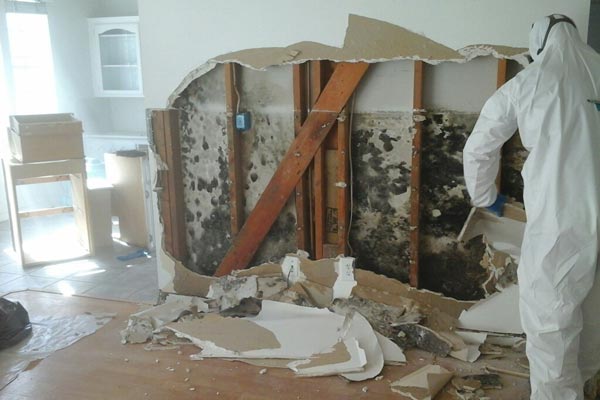
Mold Testing: How to Test for Mold in the House

Table Of Content The Benefits of Professional Mold Remediation for Your Business Signs You Have Mold in Your Home and What to Do Other Ways ...